
1. Research and create a referral list.
Create a list of off-campus food assistance options that might work for trans and non-binary students. Things to consider include:
- Cost
- Acceptance of CalFresh and Market Match
- Distance to campus – and travel options for commute
- Does not require affiliation with a particular religious group, a mandatory religious lesson, or any other religiously affiliated action
- Offers food that is filling, nutritious, and includes vegan and allergen-free options (including but not limited to gluten, lactose, nuts)
- Offers food that does not require stoves, microwaves, can openers, and other specific gadgets that students might not have access to.
- Offers hygiene products that can be used without shower access (such as baby wipes in addition to soap/body wash, dry shampoo in addition to liquid shampoo)
2. Partner with local organizations.
Partner with local stores, food banks/pantries, farmers markets, and/or farms. Create MOUs or other formal agreements to donate a specific amount of food and/or hygiene items to trans and non-binary students. This could include a monetary exchange and/or an exchange of services (guaranteeing a specific number of volunteer hours built into a related course in exchange for a set amount of food/hygiene products).
3. Create on-campus opportunities for increased food and hygiene product access.
These can include, but are not limited to:
- Providing snacks, light meals, and hygiene products in the LGBTQIA2+ campus center, and at all events. Food options should be healthy and nutritious. Check with your Basic Needs Center to see if they can help fund/provide food and hygiene products at the center and/or events.
- Allow use of CalFresh benefits in campus dining services.
- Offer meal vouchers to be used at cafeteria, ideally with funds placed on student ID cards.
- Offer gift cards to local grocery stores to purchase food and hygiene products.
- Host workshops about eating healthy on a budget and making hygiene products out of pantry staples.
- Build an on-campus community garden for students. Community gardens are not just accessible means to fresh produce, they also provide opportunities for healing through movement, learning skills for self-sustenance, gaining confidence, building community, and more. If there is already a campus garden, consider setting aside a plot for trans and non-binary students. If there is not already a campus garden, consider creating one. This would require space, funding for initial plants, soil, fertilizer, tools, and maintenance costs, and creating rules for the garden’s maintenance and use.
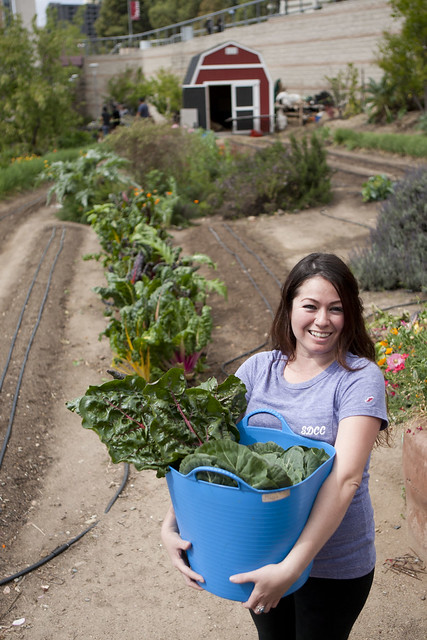
Though not LGBTQIA2+-specific, Seeds @ City Urban Farm at San Diego City College is a great model to look to for inspiration!
Relevant Research
74% reported food insecurity, up from 56% in 2019. Food security was defined as “the limited or uncertain availability of nutritionally adequate and safe food, or the ability to acquire such food in a socially acceptable manner” in the last 30 days (Goldrick-Rab et al., 2019, p. 5; The RP Group and the the CEO Affordability, Food & Housing Access Taskforce, 2023).
 TRANScend Toolkit