
1. Train Academic Counselors.
Train Academic Counselors in gender-affirming counseling practices, and provide them with a list of on- and off-campus resources to refer students to as appropriate.

The book, “Advising Lesbian, Gay, Bisexual, Transgender, and Queer College Students” (McGill & Joslin, 2021) provides some great information and tips!
2. Engage current Academic Counselors in trans and non-binary student initiatives.
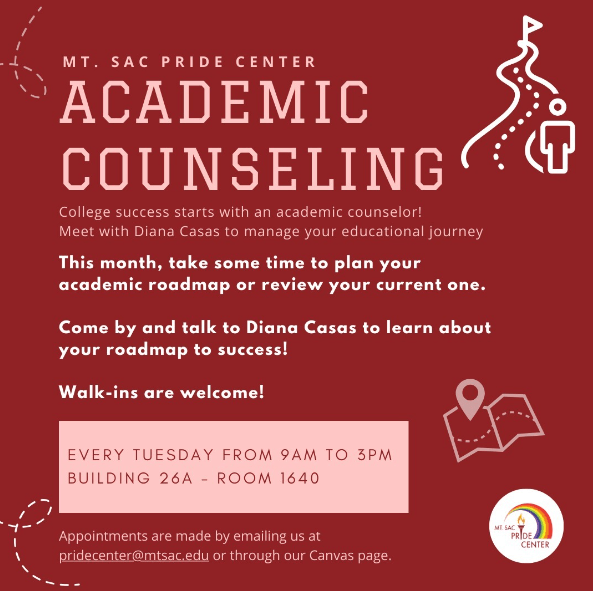
This could include things like teaching Guidance/College Preparatory courses, providing intrusive counseling within a learning community, and offering dedicated counseling hours at a temporary or permanent campus center.
Reassigned time and/or Special Projects – even 5% at a given center (2 hours/week) — is a start!
3. Hire a full-time, permanent, tenure-track Academic Counselor.
This could be a Counselor/Coordinator, who can also work to oversee the LGBTQIA2+ Campus Center. If there is already a Director of the campus center, a full-time Academic Counselor solely dedicated to direct student support is encouraged.
 TRANScend Toolkit